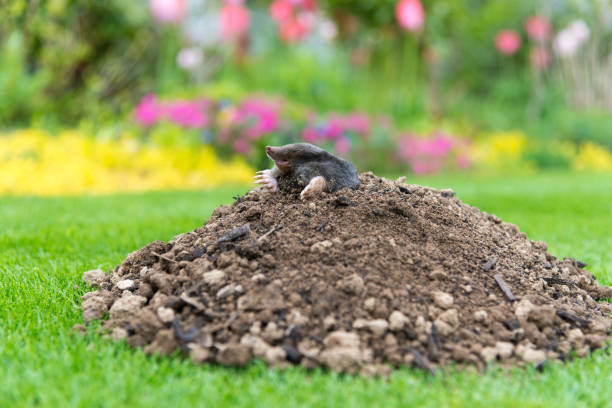
Rodents like rats, mice, and squirrels can be a significant threat to your vegetable garden. These pests not only eat your plants but can also spread diseases and damage your garden infrastructure. Keeping your garden rodent-free is essential for the health of your plants and the success of your harvest.
Here are five effective rodent control strategies to help you get rid of rodents from your vegetable garden.
1. Eliminate Food Sources and Shelter
The first step in getting rid of rodents is to remove the elements that attract them to your garden. Rodents are drawn to gardens for the food and shelter they provide. Ensure that your garden is free from fallen fruits, seeds, and other food debris that may entice rodents.
Store compost and garden waste in sealed containers, as these can also attract pests. Additionally, clear away any piles of leaves, wood, or other debris that rodents might use for shelter. By eliminating food sources and hiding spots, you make your garden less appealing to rodents.
2. Install Physical Barriers
One of the most effective ways to keep rodents out of your garden is by creating physical barriers. Fencing is an excellent option, but it needs to be properly designed to be effective. Make sure that you hire professionals for fencing installation. Professionals ensure that rodents can not enter the garden from above or below the ground.
You can also use mesh or netting to cover individual plants or raised beds, protecting them from rodents above ground. Physical barriers are a humane and long-lasting solution to keep your garden safe from pests.
3. Use Natural Repellents
Natural repellents can be a great way to deter rodents from entering your garden without using harsh chemicals. Many rodents are sensitive to strong smells, so planting aromatic herbs like mint, lavender, and rosemary around your garden can help keep them at bay.
You can also create homemade sprays using essential oils like peppermint or eucalyptus—simply mix a few drops with water and spray it around the perimeter of your garden.
4. Introduce Predators
Encouraging natural predators to visit your garden is an effective way to control rodent populations. Owls, hawks, and even domestic cats can help keep rodents in check. You can attract owls by installing owl boxes or nesting sites near your garden.
Additionally, placing bird feeders and water sources can draw birds of prey to your yard, further reducing the rodent problem. If you have a cat, allowing them supervised time in the garden can also be a deterrent for rodents.
5. Set Traps and Monitor Regularly
If rodents have already established themselves in your garden, setting traps can be an effective way to remove them. Choose humane traps that allow you to catch and release the rodents away from your garden, or hire professionals for their wild animal control services.
Alongside trapping, it is important to monitor your garden for signs of rodent activity, such as droppings, gnaw marks, or damaged plants. Early detection and consistent action will help you stay on top of the problem.